Organising senior management team building is not the same as planning a fun day out for junior teams. When you work with leadership teams, directors or the C-Suite, the stakes are higher and the tolerance for wasted time is very low.
Senior teams are already busy. They juggle strategic priorities, stakeholder meetings, product launches and operational challenges. They fundamentally reject anything that feels like a box-ticking exercise or “just another workshop.”
So how can you design senior management team building that genuinely adds value, respects executive calendars, and leaves measurable takeaways that improve how leaders work together?
This guide walks through the why, the how, and the best formats — including proven Learning & Development products like LEGO® Serious Play, Myers-Briggs facilitation, Escape The Box and The Trading Floor — to make your leadership team building investment matter.
Why Senior Management Team Building Matters More Than Ever
Leadership teams are expected to be aligned, resilient and cohesive. Yet research routinely shows that:
• Misalignment at the top slows decision making
• Lack of trust and communication leads to silos
• Cultural fractures reduce organisational performance
Senior management team building is not about candy floss fun. It is strategic development that:
• Strengthens trust
• Clarifies decision making styles
• Improves cross-functional collaboration
• Exposes communication gaps and leadership biases
• Builds mutual respect and shared language
And the best part?
Done well, these experiences give leaders tools and behaviours that translate back into the workplace more effectively than traditional classroom training.
The Challenge of Senior Management Team Building
The first thing to understand is this:
Senior leaders hate having their time wasted.
That is not arrogance. It is efficiency.
They are constantly balancing multiple teams, demands from the board, investor expectations, regulatory requirements and customer satisfaction metrics. When they commit to a senior management team building session, it needs to be:
• Structured
• Meaningful
• Immediately relevant
• Focused on real outcomes
Leadership teams are not easily impressed by workshops that feel like icebreakers or team games designed for junior staff.
They want depth, insight and practical skills.
That is where targeted L&D products excel.
Four Senior Management Team Building Solutions That Work
Here are leadership-centric formats that consistently deliver value for experienced teams.
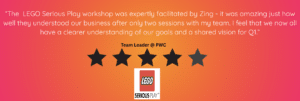
1. LEGO® Serious Play for Strategic Alignment
LEGO® Serious Play (LSP) is not about playing with bricks. It is a facilitated cognitive and strategic development methodology that helps leaders express complex ideas visually and collaboratively.
Why it works for senior leadership:
• Encourages equal contribution — no hierarchy
• Reveals mental models and assumptions
• Enables complex problem visualisation
• Builds shared language and understanding
In a senior management context, LSP is powerful because it helps teams make tacit knowledge explicit. It bridges the gap between what leaders think they agree on and what they truly do agree on.
Typical outcomes include:
• Clear articulation of strategy
• Insight into leadership styles
• Identification of conflicting assumptions
• Actionable alignment on key business themes
2. Myers-Briggs for Executive Self-Awareness and Team Dynamics
The Myers-Briggs Type Indicator (MBTI) is a globally recognised psychometric tool that maps personality preferences across four key dimensions.
For senior teams, understanding differences quickly becomes a competitive advantage.
Senior management team building benefits with MBTI:
• Insight into decision-making differences
• Improved communication across personality types
• Increased mutual respect
• Better delegation and role clarity
Most executives assume they understand each other. In reality, differences in cognitive preferences often explain miscommunication, friction and unproductive debates.
Facilitated MBTI workshops help leaders:
• Discover their own preferences
• See how others approach problems
• Learn how to adapt communication styles
• Build a shared language around personality
This transforms how teams work together in measurable ways.

3. Escape The Box for Collaborative Problem Solving Under Pressure
While Escape The Box is often popular for broader groups, it also lends itself incredibly well to senior management team building when curated for leadership outcomes.
In this challenge, teams work through a series of interlocking puzzles requiring:
• Information sharing
• Logic and deduction
• Clear roles and communication
• Adaptability
For senior teams, Escape The Box becomes a metaphor for everyday leadership challenges — testing how they communicate under pressure, delegate without ego, and align quickly around shared priorities.
Real-life takeaways include:
• Recognition of implicit leadership roles
• Improved horizontal communication
• Clarity on decision heuristics
• Shared experience that informs future collaboration
The beauty of this format is that leaders actively live the behaviours they typically discuss in theory.

4. The Trading Floor for Strategic Decision Making
The Trading Floor simulation puts teams into a mock fast-moving market environment where information is fluid and timing matters. This format is particularly effective for senior teams because it:
• Mimics real commercial volatility
• Encourages data driven decisions
• Highlights risk appetite differences
• Tests collaboration under uncertainty
A well facilitated Trading Floor session also surfaces how leadership teams prioritise information, balance risk vs reward, and make decisions when time is limited.
Executives leave with:
• A deeper appreciation of peer decision styles
• Better self awareness around group dynamics
• A clear context for improving real business processes

How to Design Senior Management Team Building That Delivers
Here is a simple framework to ensure your session is impactful.
Step 1: Clarify the Business Objective
Do you want to improve:
• Strategic alignment?
• Cross-functional communication?
• Decision making?
• Trust?
• Role clarity?
Defining the core objective drives the right choice of activity.
Step 2: Understand the Group Profile
Who are the participants?
• Are they all executive directors?
• Does the group include operational leaders?
• Are there recent changes in team composition?
This helps tailor facilitation and outcomes.
Step 3: Secure Leadership Buy-In
When senior leaders see the purpose and direct value, they engage more meaningfully.
Share an agenda and outcomes upfront. Avoid surprises where possible.
Step 4: Facilitate With Intent
Senior teams respond best when facilitators:
• Keep relevance front and centre
• Allow real reflection
• Link activity outcomes to business challenges
• Avoid unnecessary fluff
Common Mistakes When Planning Senior Management Team Building
Even experienced organisers go wrong in predictable ways. Avoid:
Mistake 1: Choosing “Fun” Over “Relevance”
Executives do not need games for games sake. They need impact.
Mistake 2: Overloading Without Purpose
Jam-packed sessions with no clear outcomes waste time.
Mistake 3: Weak Facilitation
Without strong facilitation, the most insightful activity becomes a chat session.
Mistake 4: No Alignment Back to Work
Without follow-through, learning stays in the room.
Measuring the Value of Senior Management Team Building
Return on investment for senior sessions should be tangible.
Measure:
• Pre and post session alignment on key metrics
• Improvements in communication patterns
• Individual leadership insights gained
• Peer feedback
• Business outcomes related to the session objective
Even simple surveys can demonstrate real movement.
SHRM: How to Measure Training Effectiveness
Senior Management Favour Experiences With Purpose
Senior leadership teams do not want novelty. They want transformation.
They want:
• Real insights
• Transferable skills
• Behavioural impact
• Strategic alignment
That is why models like LEGO® Serious Play and Myers-Briggs work so well — they go beyond surface interactions and dig into cognition, strategy and self awareness.
Simulations like Escape The Box and The Trading Floor bring behavioural insights to life and make learning durable.
Final Thoughts
Senior management team building is not optional if you want leadership teams that truly work together, communicate effectively and make better decisions.
But to be successful:
• Respect leaders’ time
• Set clear objectives
• Choose evidence-based formats
• Facilitate intentionally
• Tie outcomes back to day-to-day work
When done right, senior management team building is not a cost. It is an investment in leadership capability, organisational alignment and business performance.
The activities you choose matter — not because they are fun, but because they generate insight, enhance collaboration, and create real-world skills that make teams stronger long after the workshop ends.
FAQs
What makes senior management team building different from other team building?
Senior management team building must be intentional, strategic and tied to real business outcomes. It is less about games and more about behavioural development.
How long should a senior management team building session be?
Sessions tend to run from a half day for focus outcomes to a full day when deeper insight and reflection is required.
Can psychometric tools be used in senior team building?
Yes. Tools like Myers-Briggs help leaders understand themselves and each other, improving communication and collaboration.
Is senior management team building a waste of time?
Only if poorly designed. When aligned to business needs and facilitated with purpose, it delivers measurable impact.
What is the most effective activity for leadership teams?
There is no one size fits all. However, formats that reveal strategic thinking, decision behaviours and communication styles consistently deliver value.