Most searches for corporate event venues start with one number, how many people. It is a sensible place to begin, but it is also how teams end up in a lovely ballroom that cannot fit a single inflatable, or a gorgeous country estate where the only flat lawn turns out to be the car park.
Capacity tells you whether everyone fits in the room. It does not tell you whether the room fits the day you actually want to run.
The fix is to flip the order. Decide what the team will be doing first, work out what that activity needs, then look for venues that can deliver it. This guide shows you how to do that, with the questions that separate a venue that works on paper from one that works on the day.
Why Headcount Is the Wrong Place to Start
Venue listings are built around capacity, theatre style, cabaret, standing reception. Those numbers matter for conferences and dinners, but they say very little about anything active. A room that seats 200 for a keynote might struggle to host 60 people building roller coasters if the tables cannot be moved and the ceiling is low.
Starting with headcount also nudges you towards the same handful of formats, because those are what the venue is set up for. You end up choosing an activity that fits the space rather than one that fits the team. That is how you get yet another sit-down lunch when what the group really needed was a few hours outside.
Turn it around and the shortlist gets shorter and better. Once you know the format, you know whether you need grass or a ballroom, power or no power, a private space or a shared one.
Start With the Activity, Then Work Backwards
Before you look at a single venue, answer three questions:
- What is the day for? Celebration, connection, learning or a reward for a hard year. The goal shapes the format.
- What will people be doing? Sitting, moving, building, racing, solving or performing. Each one has different space needs.
- Indoors, outdoors or both? A split day gives you more options but needs a venue with both types of space close together.
Once you have a rough format, the venue brief writes itself. If you are still deciding what the day should look like, our piece on corporate days out walks through matching the format to the purpose before any booking happens.
What Different Activities Actually Need From a Venue
Different formats have very different requirements. Here is a rough guide based on the space needs of common team activities.
| Type of activity | Typical space needed | Surface | Power |
| Large inflatable games and knockout-style events | A large grass area, roughly two-thirds of a football pitch for bigger setups | Flat grass | Generators or mains for blowers |
| Inflatable race tracks (relays, soap box racing) | Room for a track around 20m x 8m, plus space for teams and spectators | Flat grass | Generators or mains |
| Multi-zone outdoor challenges | Around the area of two tennis courts or more | Flat grass | Generators or mains |
| Garden and lawn games | Around 3m x 3m per game | Flat lawn or hard floor | Minimal |
| Precision games (archery, axe throwing) | A secure outdoor area with safe zones behind targets | Grass or hard ground | Minimal |
| Indoor construction or puzzle challenges | A function room with movable tables | Hard floor | Standard sockets |
| Evening game shows, quizzes and murder mysteries | A private room with space for staging and AV | Any | Standard sockets and AV |
Figures are typical for hosted activities and will vary by supplier and group size. Always ask your activity provider for exact requirements before you sign a venue contract.
The It’s A Knockout format is a good example of how specific these needs get, with a stated minimum of large grass space equivalent to at least two-thirds of a football pitch.
The Questions to Ask Every Venue
Once you have a shortlist, these questions will tell you quickly whether a venue can handle your activity.
Ground and Space
- Can we see the exact area we would be using, not just the brochure photos?
- Is the ground flat, and is it grass, tarmac or something else?
- Will we have the space to ourselves, or will other groups be nearby?
- Is there vehicle access for suppliers to unload kit close to the activity area?
Power and Noise
- Is there mains power near the outdoor space, or will we need generators?
- Are petrol generators allowed on site?
- Are there noise restrictions, especially for music or a PA system?
- What time do we need to finish by?
Weather and Backup
- If it rains, what indoor space can we move into, and is it held for us?
- How far is the backup space from the main activity area?
- Is there shade available for hot days?
Access and Comfort
- Is the venue step-free, and are there accessible toilets near the activity area?
- Where are the nearest toilets to an outdoor space? A long walk adds up over a day.
- Are there seating areas for people who want to watch rather than take part?
The government’s accessibility blog has useful advice on making events and presentations accessible, including checking the venue in advance and asking attendees about their needs when they register.
Food and Timing
- Can catering be timed around the activity, rather than the other way round?
- Can food be served outdoors or close to the activity area?
- Are there restrictions on bringing in outside suppliers?
When the Best Venue Is the One You Already Have
Sometimes the right answer is not booking a new venue at all. Many activities can come to you, whether that is your office, a hotel you are already using for a conference, or a park or green space nearby. That can save money and travel, and it removes a whole layer of planning.
Indoor formats can often work around existing furniture in a meeting room. Outdoor formats need suitable grass and permission from whoever manages the space. Our guide to team building activities that come to you explains what can run in offices, hotels and nearby outdoor spaces.
Venue Types and What They Do Best
Different types of venue suit different activities. A quick guide:
Country estates and hotels with grounds. Ideal for big outdoor formats, with space, accommodation and indoor backup on one site. They work well for full days and overnight stays.
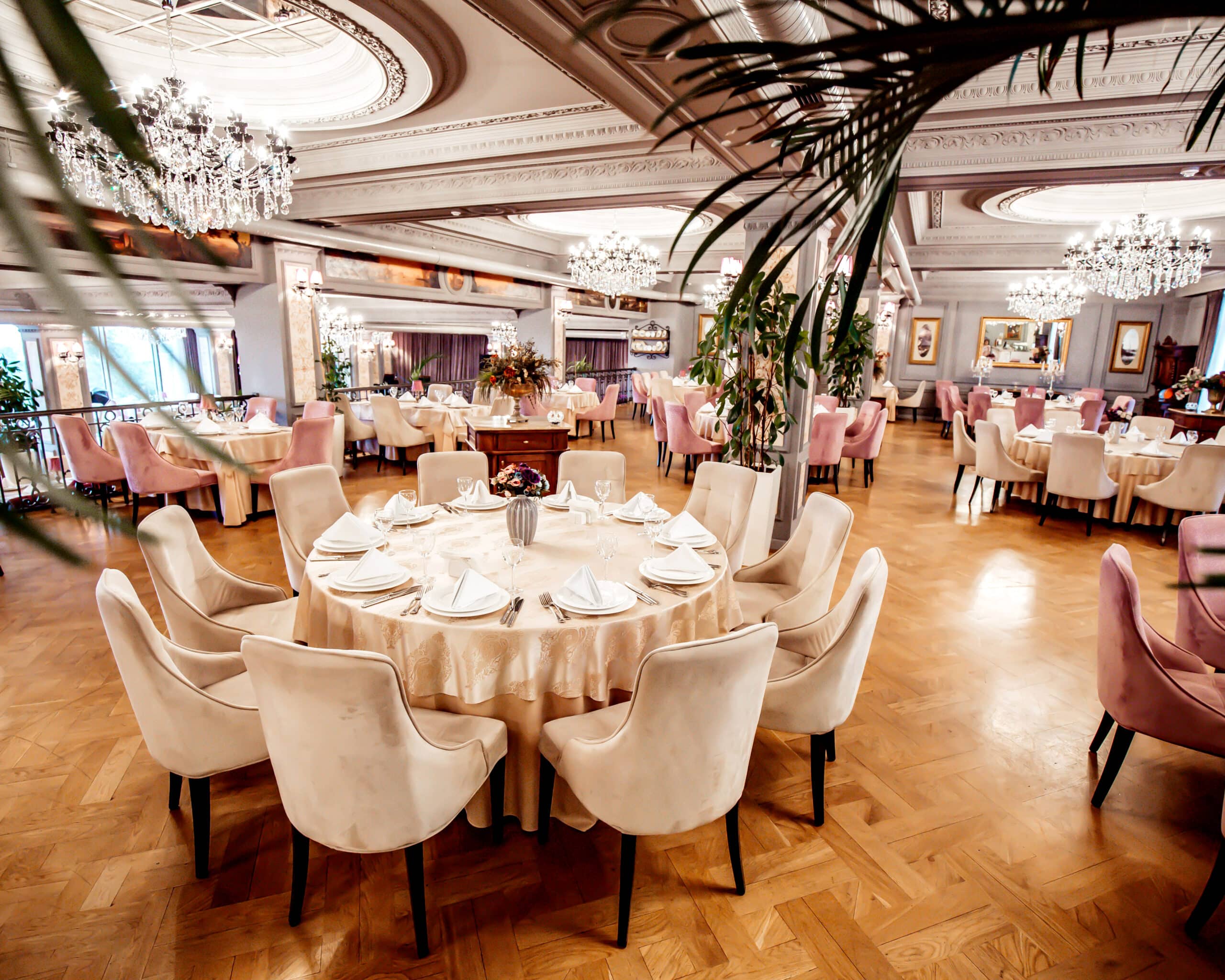
City hotels and conference venues. Great for indoor challenges, evening events and conference add-ons. Check whether there is any outdoor space nearby if you want to mix formats.
Parks and open spaces. Perfect for outdoor activities on a budget, but you will need permissions, toilets and a wet weather plan.
Your own office. Good for short, indoor activities that slot into the working day.
Unusual venues. Galleries, rooftops and converted warehouses add atmosphere, but check carefully what they will allow. Many have strict rules about noise, equipment and floor use.
For a sense of how specific venues pair with different activities, our piece on Wokefield Estate looks at one example of an estate that suits both indoor and outdoor formats.
Red Flags to Watch For
A few warning signs suggest a venue may not be right for an active event:
- Vague answers about outdoor space. If they cannot show you the area or tell you its size, assume it is smaller than you need.
- No clear wet weather plan. “We have never had a problem” is not a plan.
- Strict rules on suppliers. Some venues only allow approved suppliers, which can limit what you can bring in.
- Shared spaces. If another group might be using the same area, your activity may be squeezed or interrupted.
- Hidden costs. Ask about extra charges for power, setup time, cleaning or early access.
- No interest in safety planning. A good venue will want to know what you are running and how. The Health and Safety Executive’s guidance on running an event safely is a useful reference for the questions both you and the venue should be asking.
When you have a venue and an activity in mind, it helps to get both parties talking early. Zing Events can work with your chosen venue to check the space, power and access needs for a hosted activity before you commit.
Frequently Asked Questions (FAQs)
1. How Far in Advance Should We Book a Corporate Event Venue?
For popular dates, aim for three to six months ahead, and longer for summer and December. If you need a specific type of outdoor space, book even earlier, as suitable venues are often in demand.
2. What Is the Most Common Mistake When Choosing a Venue?
Booking on capacity alone. A venue might hold your headcount but lack the space, ground or power your activity needs. Always confirm activity requirements with your provider before signing a venue contract.
3. Can Outdoor Activities Run in a City Centre Venue?
Sometimes. Some city venues have courtyards, rooftops or nearby parks that can host smaller outdoor formats. Larger activities with inflatables or multiple zones usually need more space than city venues can offer.
4. Do We Need a Backup Indoor Space for Outdoor Events?
Yes. Even in summer, the weather can change quickly. Make sure your venue can hold an indoor space for you, close to the activity area, and confirm whether there is an extra charge.
5. Should the Venue or the Activity Provider Handle Safety?
Both have a role. The venue is responsible for the site, while the activity provider is responsible for running their activity safely. Ask both for their risk assessments and insurance details, and make sure someone on your side knows who to contact on the day.
Choose corporate event venues around the activity first and the headcount second, and the day is far more likely to run the way you pictured it.