The 1990s: When Team Building Was All About the Jolly
Ah, the 1990s. A simpler time. Mobile phones had aerials, PowerPoint was cutting-edge, and a corporate team building activity often meant one thing — a jolly.
Corporate team building activities back then were about as serious as a Friday night karaoke session (which, coincidentally, was often part of the itinerary).
Companies would whisk their staff off to the countryside, load them up with buffet lunches, and watch them wobble through trust falls, raft building and “It’s a Knockout” inflatables — all in the name of “morale.”
Nobody mentioned metrics. Nobody talked about cultural alignment. It was about fun, bonding, and a company picking up the tab.
And to be fair — it worked. For a while.
Teams returned on Monday with stories, bruises, and new nicknames for their boss. It was chaotic, silly, and completely brilliant in its own way. But the world — and the workplace — has changed.

The 2000s: When HR Started Asking for Outcomes
By the early 2000s, companies began to realise that team building could be more than just a day out.
HR departments started using words like development, engagement and retention. The jollies started to come with agendas.
Enter the modern corporate team building activity — one with purpose.
This was the era of the “learning objective.” Activities began to mirror real business challenges: communication workshops, leadership development games, and scenario-based problem solving.
Zing Events was founded in this spirit — to bridge the gap between fun and function. We saw that laughter was powerful, but only when it meant something.

The 2010s: The Rise of Culture as a Competitive Edge
Then came the decade of culture.
Companies like Google, Apple and Virgin changed the way people thought about work. Offices started looking more like playgrounds. Employee engagement became a KPI. Suddenly, team building wasn’t just a perk — it was a strategic investment.
According to SHRM’s Global Culture Report, 72% of employees rate their company culture positively when they feel connected through shared experiences.
That stat alone fuelled a revolution.
Corporate team building activities began to focus on how people felt, not just what they did. Events became immersive, creative, and aligned with company values.
Gone were the days of “forced fun.” In their place came Escape Rooms, Charity Challenges, and Experiential Learning Games — each designed to inspire collaboration, empathy, and innovation.

The 2020s: Team Building Meets ROI
Fast forward to today. The phrase corporate team building activity means something entirely different.
Now, every away day, workshop, or experiential challenge is expected to justify its place in the budget. The question isn’t “Did people enjoy it?” — it’s “What changed because of it?”
Modern companies want measurable outcomes.
-
Did communication improve?
-
Did engagement increase?
-
Did leadership skills emerge?
-
Did culture shift in a tangible way?
The 2020s have turned team building into a data-driven discipline — and that’s a good thing.
At Zing Events, we design activities that deliver both impact and insight. Every programme — whether it’s The Sphere, Build a Bike, or Deceivers — is crafted to strengthen team dynamics and reinforce business objectives.
Fun is still central. But it’s now fun with purpose.
A Brief Timeline: The Evolution of the Corporate Team Building Activity
| Era | Team Building Style | Focus | Example Activities |
|---|---|---|---|
| 1990s | The company jolly | Reward & morale | Trust falls, inflatables, pub nights |
| 2000s | Learning & development | Communication & leadership | Problem-solving challenges, business simulations |
| 2010s | Culture & creativity | Engagement & alignment | Escape rooms, CSR events, creative workshops |
| 2020s | Strategic ROI | Retention & performance | Psychometric tools, hybrid team games, wellbeing sessions |
So, What Makes a Corporate Team Building Activity “Modern”?
Here’s what sets today’s experiences apart from their nostalgic predecessors:
1. They’re Aligned with Business Strategy
The best team building activities now start with intent. Whether it’s breaking down silos, nurturing leadership, or embedding new values, every event has a measurable goal.
2. They Blend Learning and Play
Forget chalkboards and flipcharts. Today’s sessions use immersive play to drive home lessons about teamwork and communication — because people remember experiences, not lectures.
3. They’re Inclusive and Accessible
A modern team building day caters to everyone. There’s a balance of physical, creative, and cerebral challenges so all personalities can shine.
4. They Reflect Company Culture
Fun is relative. A tech startup might want fast-paced competition. A non-profit might prefer collaboration and purpose. The right activity reflects who you are as a company.
5. They Leave a Legacy
The event shouldn’t end when the prizes are handed out. Modern team building links back to workplace behaviour — ensuring the energy and insights stick long after the day ends.
Examples of a Modern Corporate Team Building Activity
Here are a few examples of how Zing has redefined the genre:
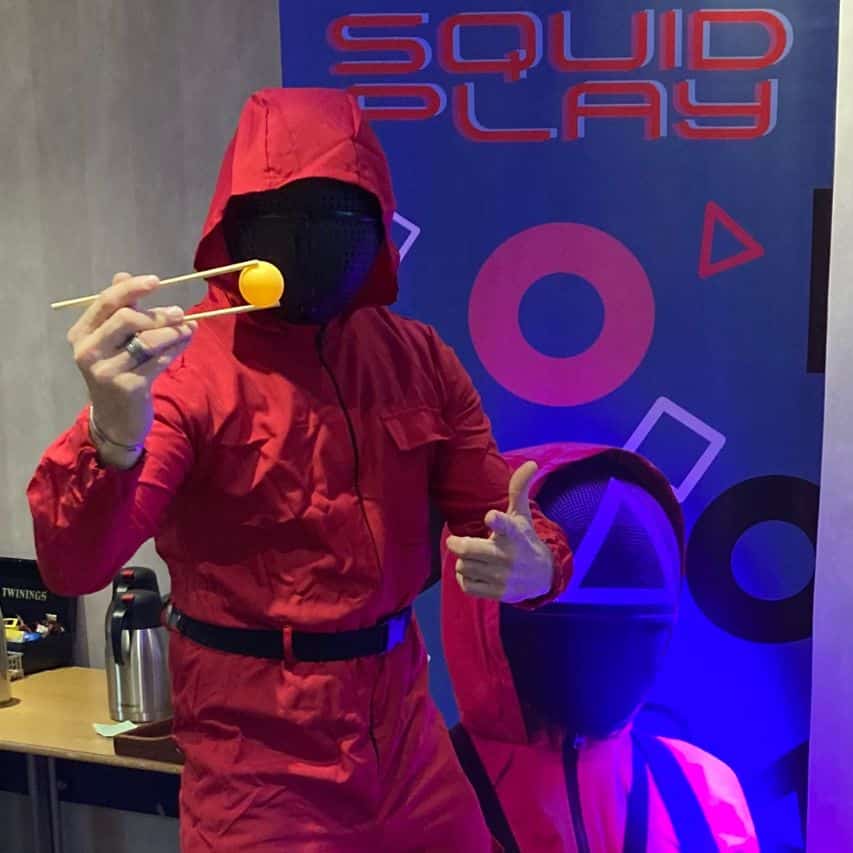
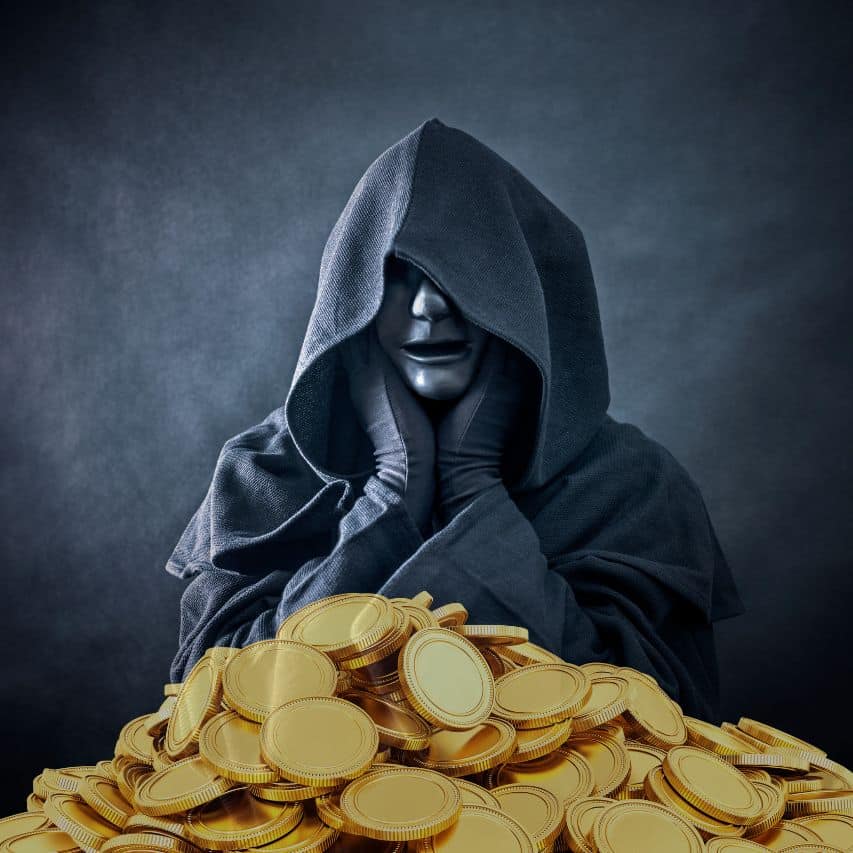
🔍 Deceivers (Inspired by The Traitors)
Teams must work together to identify who’s lying, using logic, intuition, and persuasion. It’s immersive, tense, and hilariously revealing about group dynamics.
Takeaway: Builds trust and communication under pressure.
🚴 Build a Bike
A CSR-led challenge where teams assemble real bikes, which are then donated to Re-Cycle, providing mobility across Africa.
In 2024, 12,400 bikes were shipped — helping children reach school and nurses access remote patients.
Takeaway: Connects teamwork with purpose and impact.
💼 Trading Floor
A high-energy simulation that drops teams into the chaos of the financial markets. They trade, negotiate, and adapt in real time.
Takeaway: Enhances leadership, decision-making, and adaptability.
📺 The Zing Show
Your team becomes contestants in a live game show filled with fast-paced trivia and physical mini challenges.
Takeaway: Builds energy, morale, and cross-departmental rapport.
🧠 The Myers-Briggs or DISC Experience
For teams ready to go deeper, psychometric sessions like Myers-Briggs or DISC combine science with reflection, helping colleagues understand their personalities and communication styles.
Takeaway: Fosters self-awareness and stronger collaboration.
Why Corporate Team Building Still Matters
Despite tighter budgets and hybrid pressures, team building remains one of the most valuable tools for long-term success. Here’s why:
-
Human connection builds trust.
In an era of remote work and digital fatigue, face-to-face experiences remind people they’re part of something bigger. -
Collaboration fuels innovation.
Teams that communicate effectively are 17% more productive, according to Deloitte. -
Culture attracts talent.
Strong culture reduces turnover by up to 30%, making team building a strategic retention tool. -
Shared memories shape identity.
Whether it’s solving a mystery or building a bike, shared experiences become part of your company story.
From Team Outing to Strategic Tool
So, has the fun gone? Absolutely not.
If anything, the modern corporate team building activity is more engaging than ever — because it means something. It’s no longer about booking a castle, handing out name badges, and hoping everyone bonds over a buffet.
It’s about using creativity, psychology and purpose to create experiences that shape teams for the future.
At Zing Events, we call it “fun with impact.”
It’s why companies across the UK — and the world — trust us to design events that deliver measurable results while keeping laughter at the core.
Reviews from Our Clients
⭐⭐⭐⭐⭐
“Zing completely transformed what we thought team building could be. Fun, meaningful, and a real reflection of our culture.”
— L&D Manager, Global Tech Brand
⭐⭐⭐⭐⭐
“We used to think team building was a day off. Zing showed us it’s actually a day that pays off.”
— HR Director, Finance Sector
With over 600 five-star reviews, Zing Events continues to lead the way in creative, purposeful team development.
FAQs: Corporate Team Building Activity
What makes a corporate team building activity effective?
When it combines engagement, reflection, and relevance to your business goals. The best ones feel fun but deliver measurable outcomes.
Can team building be done in a hybrid format?
Absolutely. Zing offers hybrid versions of popular experiences like Deceivers and Escape the Box so remote and in-person teams can connect seamlessly.
How long should a corporate team building event last?
Anything from 90 minutes to a full day, depending on your objective and schedule.
How do we measure the ROI of team building?
Through feedback, engagement surveys, and tracking cultural or behavioural shifts over time. Zing’s facilitators can help design follow-up metrics.
Do fun and ROI really mix?
Absolutely. Fun is the vehicle — ROI is the destination. The key is in the design, not the decoration.
Final Thoughts: From Jollies to Growth Engines
The corporate team building activity has come a long way — from trust falls and warm beer to data-driven experiences that transform culture and performance.
But at its heart, the goal is still the same: to bring people together.
The only difference?
Now, it’s not just about laughter — it’s about lasting impact.
So, whether you’re planning your next away day or rethinking your approach to culture, let’s make it count.