Think back to the team building events you actually remember. Not the ones you sat through, the ones that stuck. Chances are it was not the most expensive day, the fanciest venue, or the cleverest activity. Something else made it land, something quieter and harder to put your finger on. Most planners chase the wrong variables.
They compare prices, hunt for novel activities, and obsess over logistics, all of which matter, but none of which is the thing that makes a day memorable. There is a single ingredient the best events share, and once you can name it, you can build around it every time.
The Ingredient Everyone Overlooks
The secret is a genuine, shared, unscripted moment. Not the activity itself, but the human thing that happens inside it. The instant a reserved colleague surprises everyone, the collapse into laughter when a plan goes hilariously wrong, the quiet realisation that two people who never speak actually work brilliantly together. That is what people carry home.
You cannot buy that moment directly, which is why throwing money at team building events so often disappoints. But you can create the conditions that make it far more likely.
Everything else in this guide is about engineering those conditions, because a memorable moment is not luck. It is the predictable result of a few deliberate choices, and skipping them is why so many well-funded days fall flat.
Condition One: Lower the Stakes
Memorable moments almost never happen when people feel judged. The first condition is low stakes, an atmosphere where getting it wrong is part of the fun rather than a risk to manage.
When there is no scoreboard hanging over every move, or when the competition is clearly light-hearted, people loosen up. They try things, they mess up, they laugh at themselves. That is the soil the good moments grow in.
High-pressure formats can work for competitive teams, but even then the pressure has to feel like a game, not an assessment. Research on the cognitive benefits of play notes that play boosts creativity and connection precisely because it removes the fear of stakes.
The practical move is to strip judgment out wherever you can. Keep leaders as players rather than assessors. Frame mistakes as expected. The best team building events give people explicit permission to be a bit rubbish at something new, and that permission is what unlocks the real fun.
Condition Two: Give Everyone a Way In
The second condition is inclusion, and it is where many events quietly fail half the room. A moment cannot be shared if a chunk of the team is stuck on the sidelines watching.
The trap is designing for the loudest, most confident, most physically able people and assuming everyone else will keep up. They will not. The quiet ones disengage, the less mobile feel awkward, and the shared moment only reaches part of the group. The fix is formats where different personalities and abilities all have a genuine role to play.
Cooking challenges let some lead and others chop. Treasure hunts reward walkers, talkers, and puzzle-solvers alike.
Problem-solving rooms need the quiet observer as much as the loud driver. When everyone has a way in, the memorable moment belongs to the whole team rather than a subset of it. Well-run team building days build this multiplicity of roles in from the start, which is exactly why they include so many people at once.
Condition Three: Match the Format to the Actual Team
The third condition is fit. A brilliant activity aimed at the wrong team produces nothing memorable, just polite participation and a quiet clock-watch.
Reading the team first is everything. A competitive group lights up with scores and stakes but drains during a slow creative session. A creative group thrives with room to make and interpret but stalls when an activity is too rigid.
A new team needs formats that break the ice gently. A long-established one can handle more depth. Matching the format to the leaning is what turns a fine day into a great one.
This is where an outside eye earns its fee. A partner like Zing Events sees which formats lift which kinds of team, because they have watched hundreds of them play out. The team building experience that reads its group correctly consistently outperforms the more expensive one that ignores who is actually in the room. Fit beats budget every time.
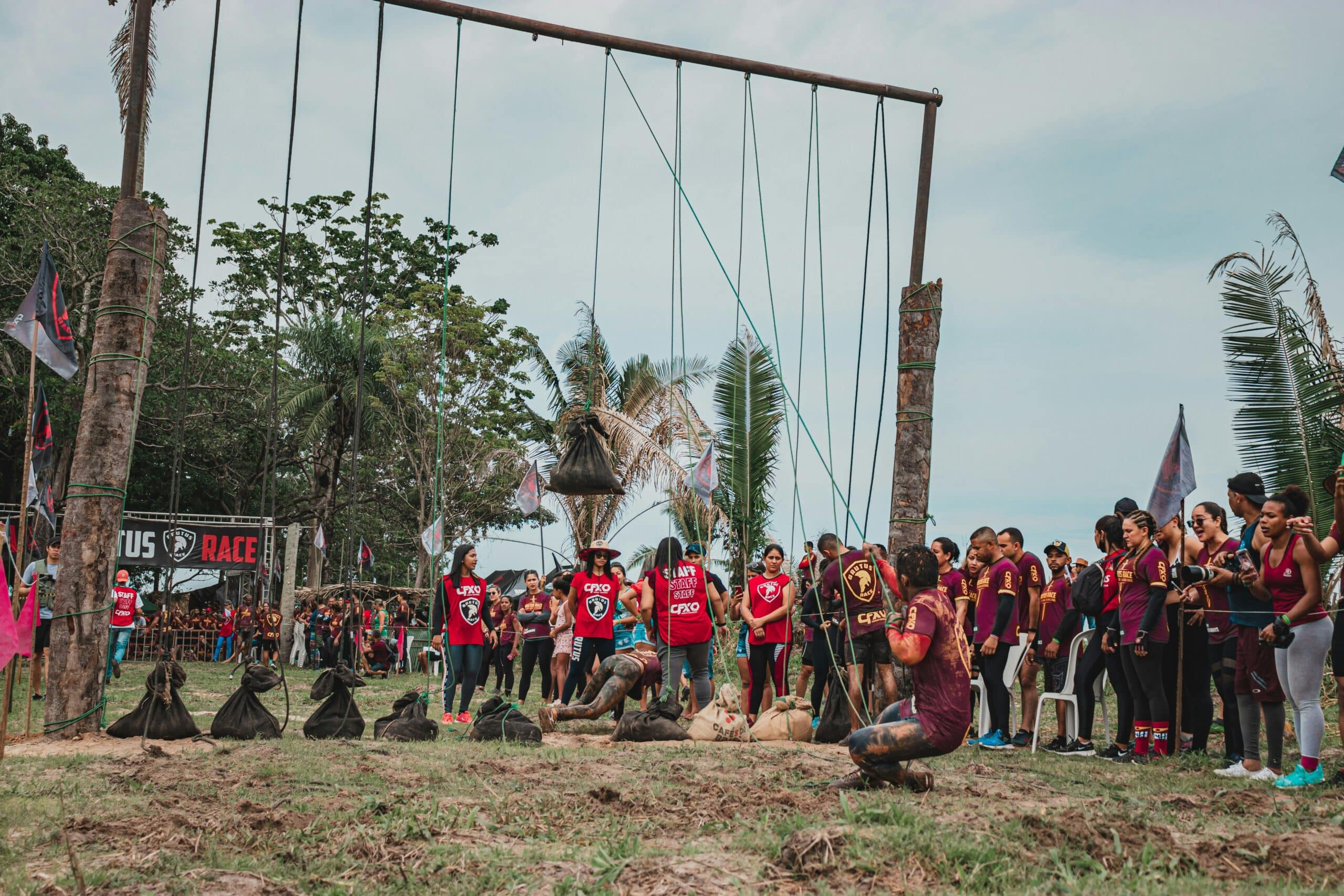
Condition Four: Build the Space for It to Happen
The final condition is room, both literal and figurative. Memorable moments need slack in the day to surface, and a schedule crammed to the minute crushes them before they can appear.
Pace the day so there is unstructured time, especially after the main activity. That is often where the real conversations happen, once the organised part is done and people are relaxed.
Food shared together does the same work, naturally levelling the group and giving space for the good stuff to emerge. An event that rushes from item to item with no breathing room leaves no space for anything spontaneous, and spontaneity is exactly what you are trying to protect.
The MIT-led research on the new science of building teams found that the communication patterns formed in shared, informal activity predict team success more than almost anything else. Those patterns need time and space to form.
Designing team building events with deliberate slack is how you make room for the ingredient you cannot script. In practice this means resisting the urge to fill every minute, trusting that a slightly looser plan will produce more than a packed one. Planners often feel nervous about empty space in a schedule, but that space is where the real value lives.
Putting the Ingredient to Work
Bring the four conditions together and a pattern emerges. Lower the stakes so people relax. Include everyone so the moment is shared. Match the format so the team actually engages. Build in space so something spontaneous can happen. Do all four and memorable moments become likely rather than lucky.
Notice what is missing from that list. Budget is not on it. Novelty is not on it. The most expensive, most unusual activity in the world will not produce a lasting memory if the conditions are wrong, while a simple format with the conditions right will land every time.
That is genuinely good news for anyone planning on a modest budget, because the secret ingredient is free. Solid away day ideas prove this constantly, delivering strong results on sensible spend by getting the conditions right rather than throwing money at the problem.
So the next time you are handed the job, resist the pull toward the flashiest option in the brochure. Start with the four conditions instead, and let them guide every decision from format to venue to schedule. The most effective team building events are not the ones that cost the most or look the most impressive in photos.
They are the ones designed, quietly and deliberately, to let a real human moment happen. Get that right and the memory takes care of itself, long after the receipts are filed and the day is done.
Frequently Asked Questions (FAQs)
1. Do Expensive Events Work Better?
Not inherently. Budget helps with polish and choice, but it does not create the shared, unscripted moments that make an event memorable. A modest event with the right conditions consistently beats an expensive one that ignores them. Spend on fit and facilitation before spending on flash.
2. How Do I Create the Conditions on a Small Budget?
Focus on the four levers, none of which cost much. Lower the stakes, include everyone, match the format to your team, and leave slack in the schedule. Simple formats like cooking or treasure hunts deliver all four affordably when they are designed with intent.
3. How Do I Know Which Format Fits My Team?
Read the team’s leaning first. Ask whether they thrive on winning or on making, and whether they are energised by adrenaline or ideas. Match the format to that leaning. When you are unsure, an experienced provider can help you read the group and choose accordingly.
4. How Do I Measure Whether It Worked?
Look at behaviour in the weeks after, not just enjoyment on the day. Easier collaboration, more informal chat, and a lighter team mood are the real signals. A short survey a week later gives honest feedback about lasting impact rather than day-of buzz.
5. How Often Should We Run Them?
A quarterly rhythm for larger events, with smaller moments in between, suits most teams. Vary the format so the same people are not always in their comfort zone. Consistency and variety matter more than the scale of any single event.
The secret ingredient behind memorable team building events is a shared, unscripted moment, and while you cannot buy it, you can reliably create the conditions that let it happen every single time.