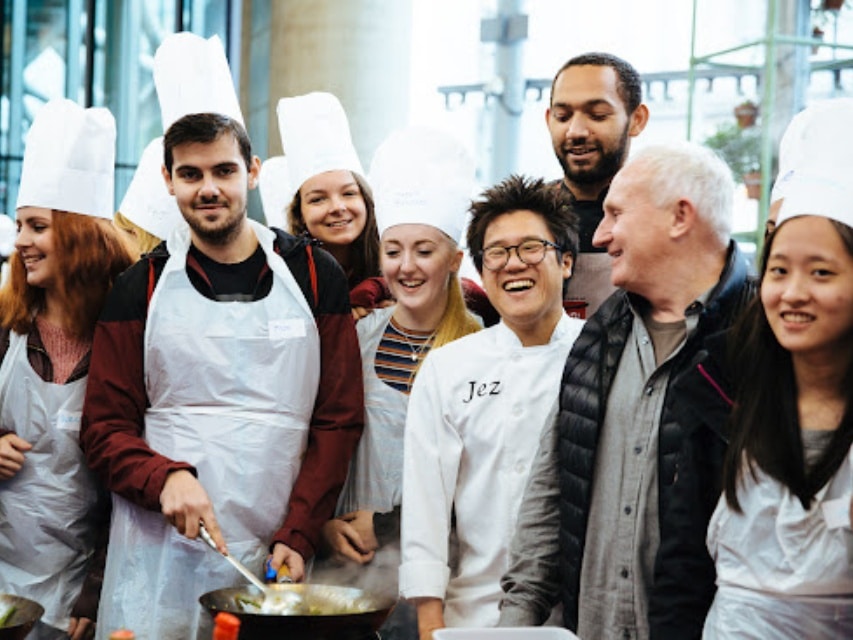
The team had a great time, and we all continue to talk about just how good the whole session was - thank you for running the session, and we look forward to working with Zing again!
Michael C
600+ ★★★★★ reviews. Trusted by FTSE 500 companies. Corporate team building activities delivered across the UK. Get your personalised Build a Bike quote today.


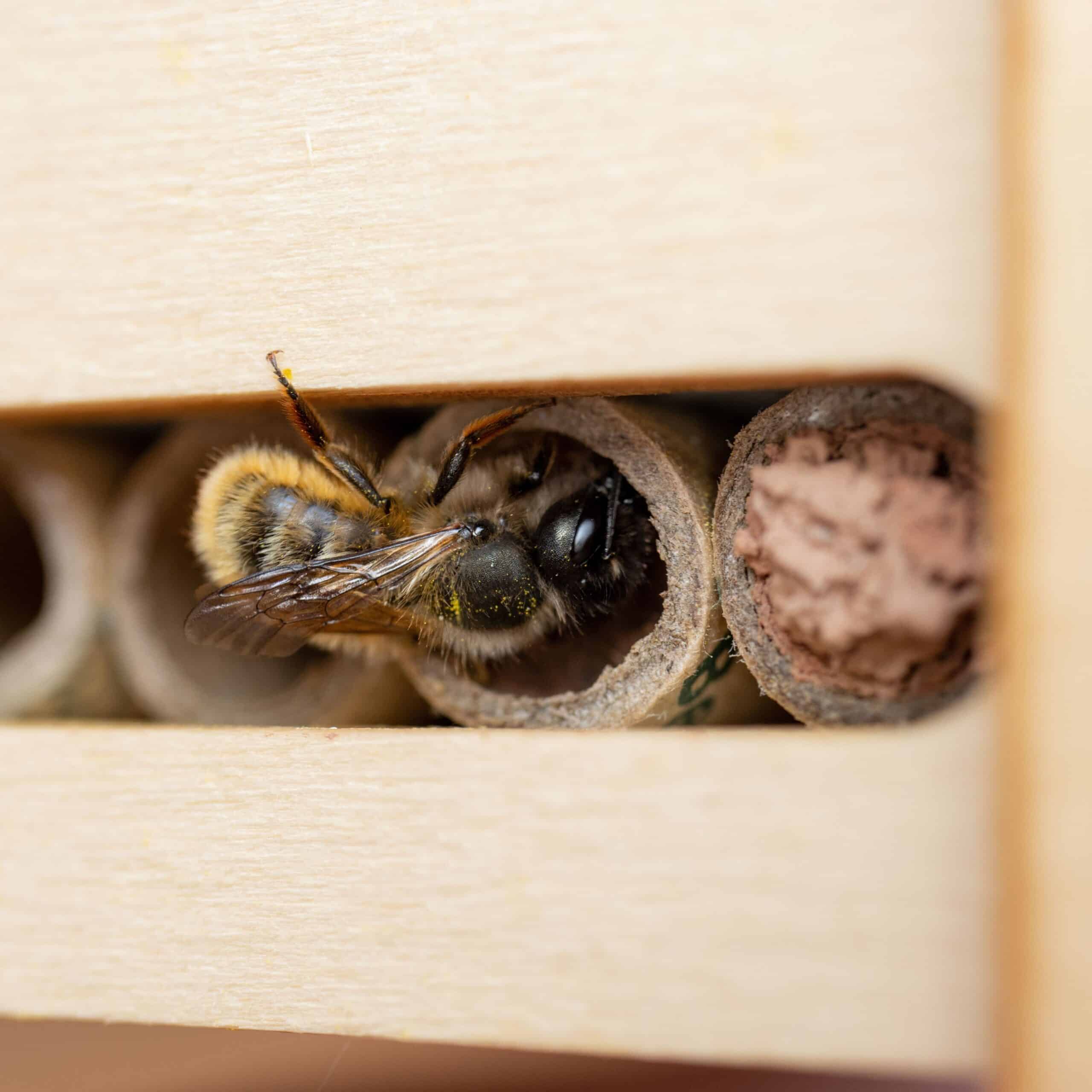
This hands-on sustainability workshop gives teams the chance to build their own bee hotels, creating safe nesting spaces for solitary bees while learning why these tiny pollinators play such a vital role in our ecosystem.
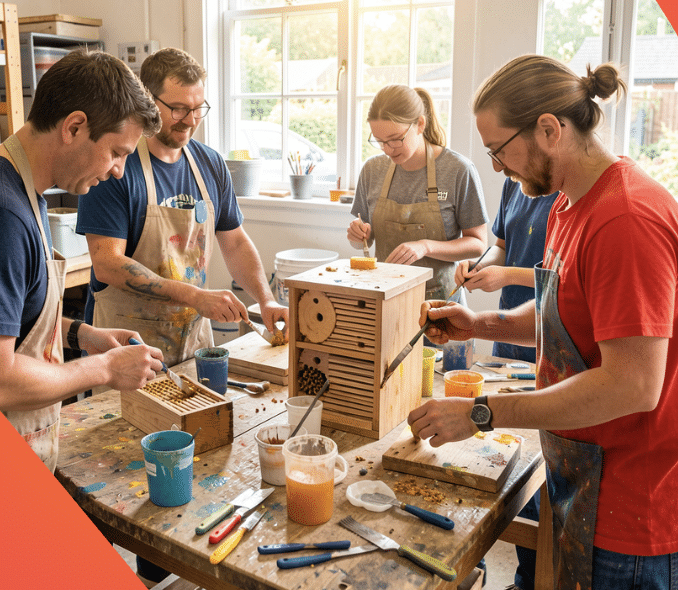
Working in small teams, participants assemble wooden bee habitats using natural materials.
Along the way, our host introduces the fascinating world of pollinators, explaining how solitary bees differ from honey bees and why providing safe habitats is becoming increasingly important in urban environments.
The team had a great time, and we all continue to talk about just how good the whole session was - thank you for running the session, and we look forward to working with Zing again!

The activity is perfect for groups of 5 to 500+

We're mobile, bringing activities to your ideal venue.

The activity can last from 60-90 mins
Educating teams on their responsibilities within society is important in their journey together
Reinvesting into society is fantastic for wellbeing and the feel good factor it brings to teams.
Bragging rights are at stake – healthy and managed competition sparks productivity and output to increase in teams.
Participants see first-hand how their efforts make a positive societal impact, reinforcing company values and purpose.
It’s creative, purposeful and surprisingly relaxing. Teams collaborate, share ideas and get stuck into the build process, all while contributing to a simple but meaningful environmental initiative.
This activity blends team collaboration with sustainability, making it ideal for organisations that want their event to have a positive environmental impact.
Participants leave with:
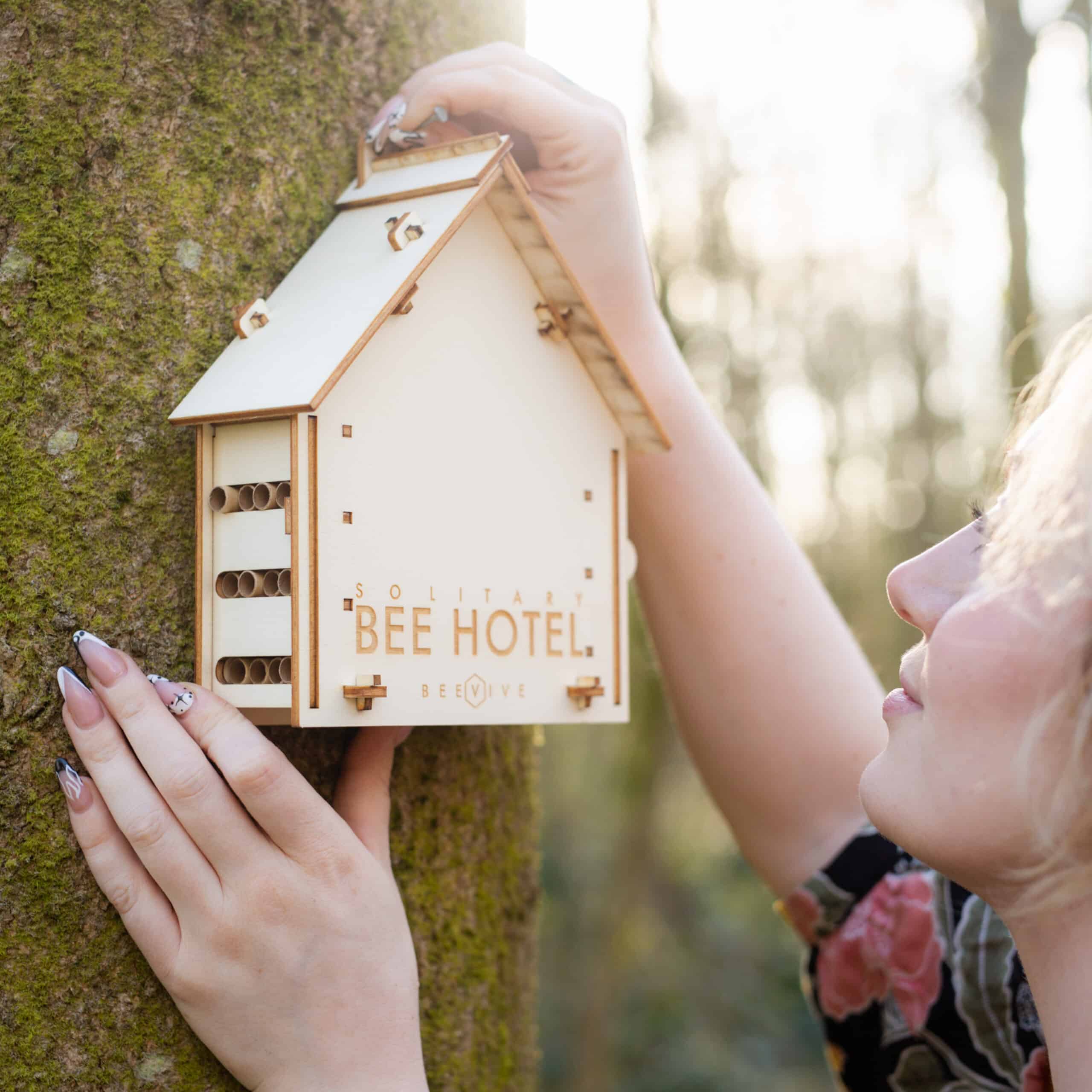
A hand-built bee hotel to take home or place in their garden or balcony
A deeper understanding of pollinator conservation
A shared experience that encourages creativity and conversation
With pollinators responsible for helping produce around one third of the food we eat, supporting habitats for bees is a small action that can have a big environmental impact.
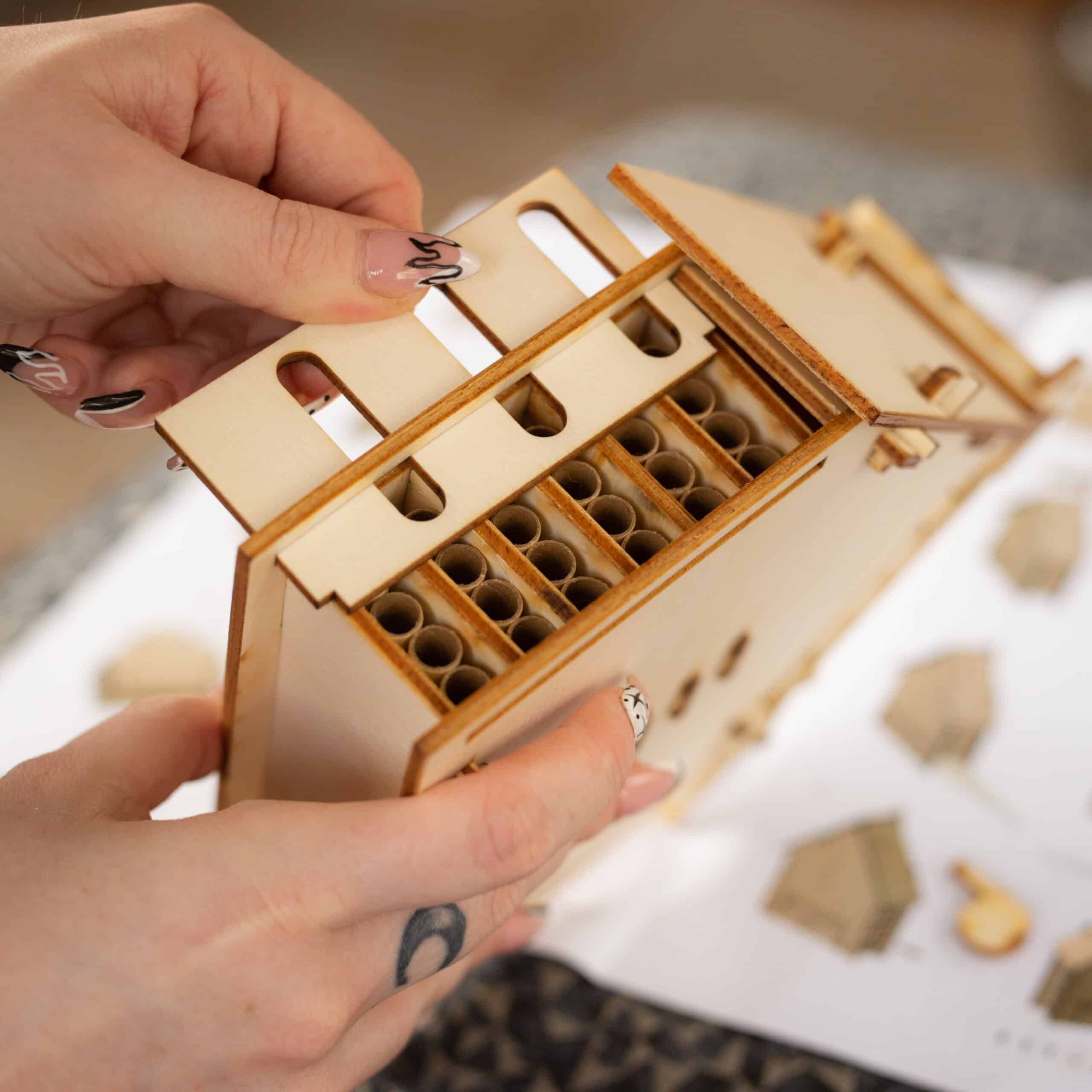
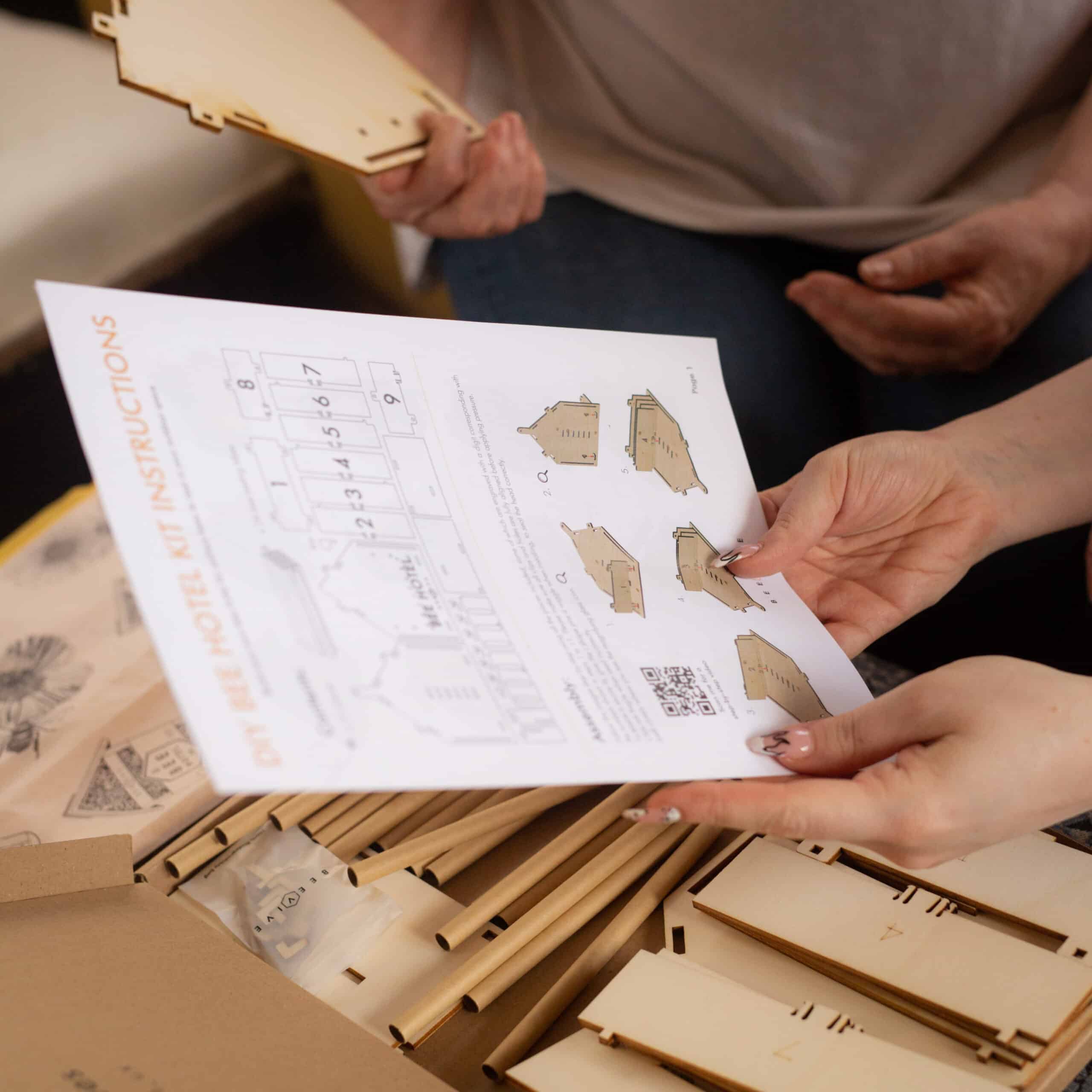
Teams are provided with build kits containing all the materials needed to create their bee hotels. Our facilitator guides participants through the process step-by-step while sharing interesting facts about bees and biodiversity.
Throughout the workshop, our lively event host runs a series of fun mini-challenges and quickfire quizzes, giving teams the chance to win extra building materials, colourful paints and creative extras to make their bee hotels even more impressive.
During the session teams will:
Learn about the role of pollinators in our ecosystem
Assemble their bee hotel structures
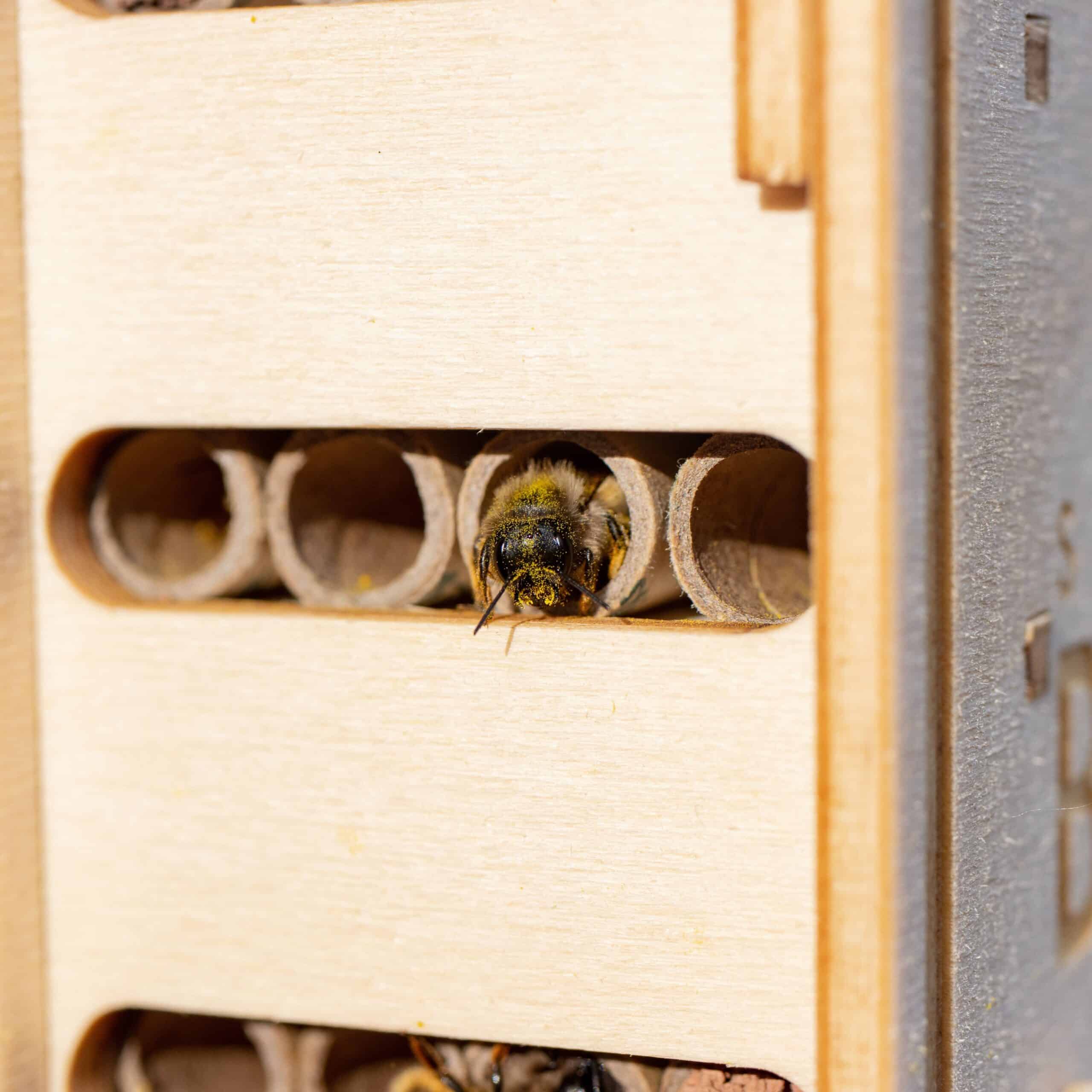
Fill the habitat chambers with natural nesting materials
Decorate or personalise their finished design
The session concludes with a quick showcase where teams admire each other’s creations before taking their bee hotels home.
Solve clues using forensic techniques.
Use your science skills to uncover secret information.
Discover hidden messages with specialised lighting.
Navigate using compass bearings and vintage military equipment.
This activity can last between 60-90 mins to fit your agenda:
Unlike many team activities that end when the event finishes, this one keeps giving back. Once placed in a garden or green space, each bee hotel provides a safe nesting spot for solitary bees during the warmer months — helping nature while reminding participants of the shared experience they built together.
An indoor or outdoor space, ideally with table space for the construction element.
Sustainability team building is a type of team building activity that focuses on improving teamwork while also creating a positive environmental or social impact.
It goes beyond just “having fun” by aligning the activity with sustainability goals, such as reducing waste, supporting communities, or raising awareness around environmental issues.
In practice, this might include:
The key difference is intent. Traditional team building focuses purely on engagement, whereas sustainability team building combines team development with meaningful impact.
For businesses, it helps:
In short, it’s team building that does good while doing its job.
Building bee hotels benefits teams in a way that feels both hands-on and meaningful, which is why it works so well as a sustainability team building activity.
Here’s how it helps:
Teams work together to design and build the bee hotels, naturally dividing tasks and supporting each other. It’s cooperative rather than competitive, which makes it inclusive for all personality types.
Unlike typical activities, there’s a clear outcome that matters. Bee hotels support pollinators, which are essential for biodiversity and food production. That bigger purpose gives the activity more meaning and makes it more memorable.
Teams need to think about structure, materials, and functionality. It’s not just “build something” — it’s about building something that actually works for bees, which adds a layer of creative thinking.
People tend to engage more when they can see the impact of what they’re doing. Knowing their work contributes to the environment creates a feel-good factor that lasts beyond the event.
If a business is focused on sustainability or ESG goals, this activity brings those values to life in a practical, visible way — not just something written on a website.
The bee hotels don’t disappear at the end of the session. They can be installed at offices, community spaces, or donated, giving teams a long-term reminder of what they achieved together.
In short: it’s team building with purpose — combining collaboration, creativity, and a tangible environmental impact.
👉 A bee hotel activity here isn’t just environmental — it directly supports people and communities.
👉 Your team building could directly contribute to both biodiversity and social change.
👉 Ideal for London-based teams wanting a local, visible legacy.