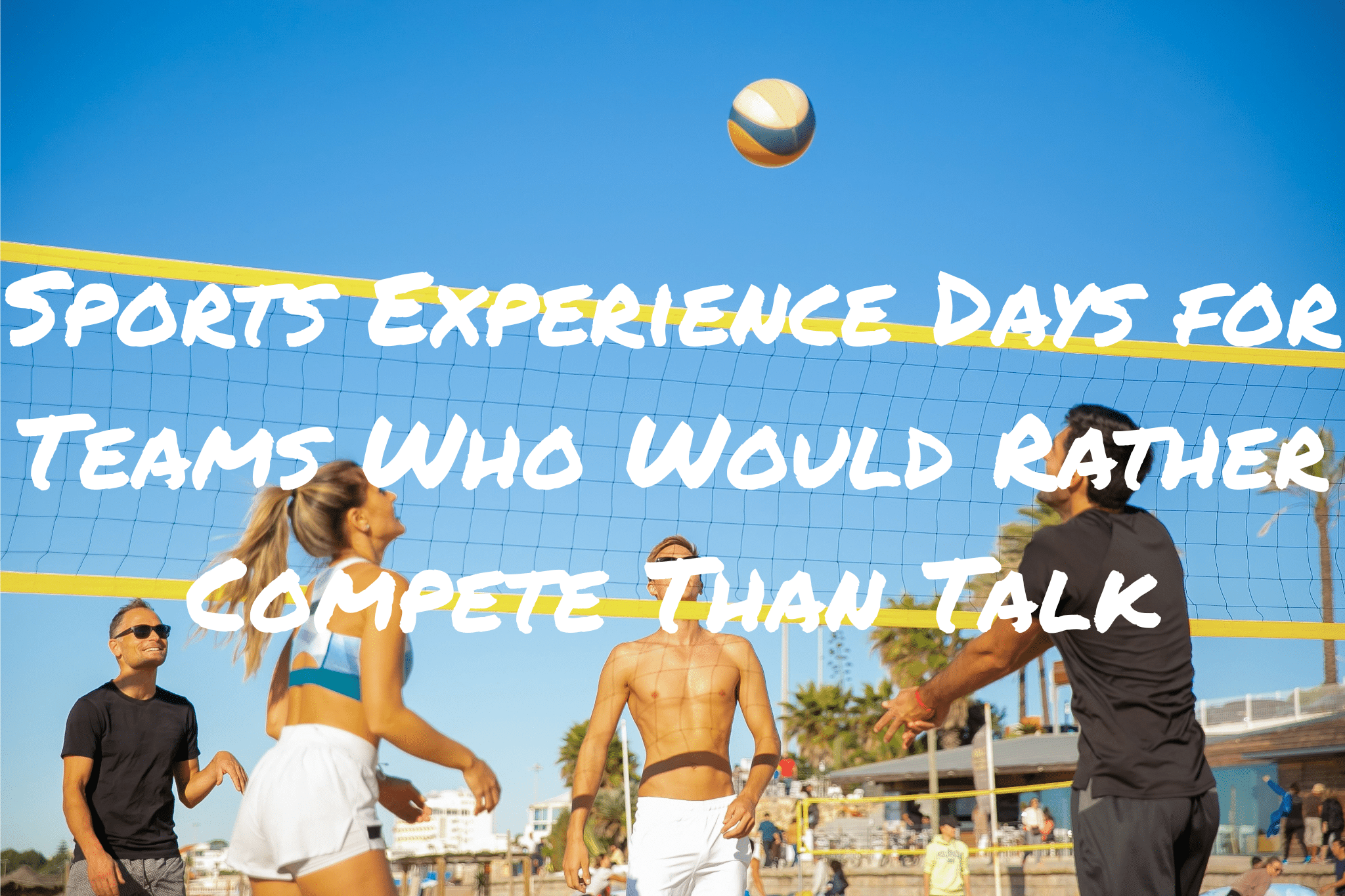
Sports experience days are a good fit for the kind of team that groans at the word “workshop”. Some groups bond best when they are chatting over a long lunch. Others need a scoreboard, a starting whistle and something to win. If your team is in the second camp, a well-planned day of sport-style challenges will do more for team spirit than any number of icebreakers.
For teams, a sports experience day is a hosted team event built around sporting challenges, races, target games, mini-Olympics and skill stations, with teams competing for points and a prize at the end.
It is not the same as a gift voucher for a stadium tour or a driving day. It is a shared experience designed for groups, where the competition is the point and the conversation happens naturally around it.
Why Some Teams Would Rather Compete Than Talk
Not everyone opens up in a circle of chairs. Some people, especially those who find small talk hard work, find it easier to talk when there is something else to focus on. Standing on a start line together, celebrating a lucky shot or arguing over a close finish gives colleagues a reason to interact without the pressure of a forced conversation.
Competition also creates shared stories. The relay that went wrong, the unlikely hero of the archery round, the boss who fell over in the sack race, these are the moments people bring up for weeks afterwards. They give a team a common history, which is often what newer or more dispersed teams are missing.
There is a wellbeing side too. The NHS page on the benefits of exercise notes that physical activity can boost self-esteem, mood, sleep quality and energy. A sports day will not replace regular exercise, but getting a desk-based team outside and moving for an afternoon is a welcome change from another day in front of a screen.
Choosing the Right Kind of Competition
Sports experience days come in a few different styles. The right one depends on your team’s mix of fitness levels, competitive spirit and appetite for silliness.
Mini-Olympics and Multi-Sport Challenges
A multi-sport format gives teams a series of events to compete in, from relays to target games and quick-fire quizzes. Because the events vary, different people get to shine at different moments, and no single sporting ability dominates.
Zing’s The Olympian format, for example, mixes inflatable track racing, team skiing, archery, golf and tennis with an Olympic-themed quiz.
Precision and Aim-Based Games
For teams who want competition without running, precision games are a great choice. Archery, axe throwing and target shooting reward focus and steady hands rather than speed or strength. They can suit people who do not think of themselves as sporty, and they make for tense, exciting finals.
Classic Sports Day Revivals
The school sports day never really goes out of fashion. Egg and spoon, sack races, three-legged races and tug of war bring nostalgia and plenty of laughs. Because these events are more about balance and luck than athletic ability, they keep things level. Our piece on hiring a Sports Day Company looks at how a hosted version works for corporate groups.
Race-and-Build Formats
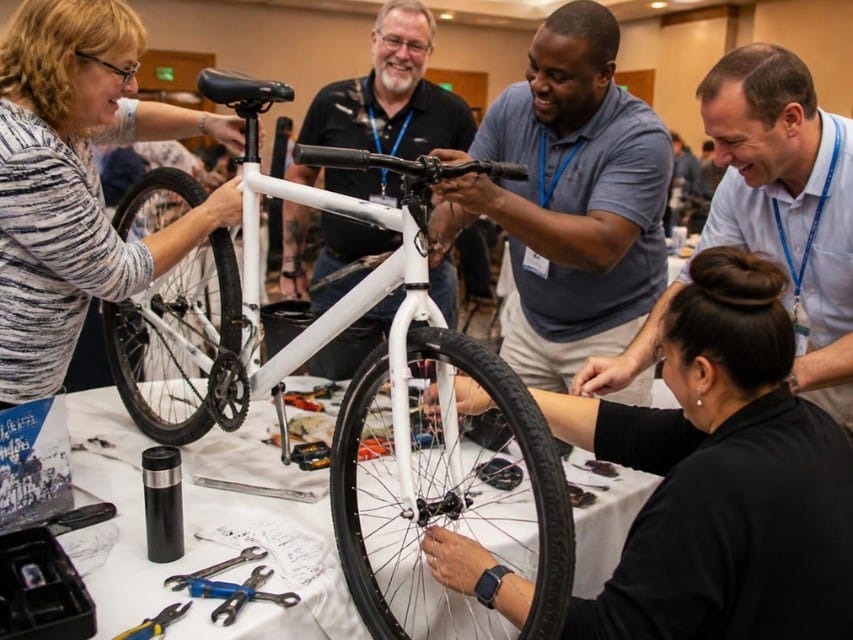
Some teams like competition with a creative twist. In build-and-race formats, teams design and build something, such as a soap box car, then race it against the others. It rewards planning and teamwork as much as speed, which suits groups with a mix of thinkers and doers.
Keeping It Fair for Every Fitness Level
The fastest way to spoil a sports experience day is to let it become a showcase for the three people who play five-a-side every week. A few simple choices keep it fair and fun for everyone.
Balance the teams. Mix departments, ages and fitness levels across every team. Avoid letting people pick their own teams, which tends to stack the sporty ones together.
Mix the events. Include a range of physical, skill-based and mental challenges. A team that struggles in the relay can make up points in the quiz or target games.
Offer non-running roles. Captains, scorekeepers, strategists and cheerleaders all contribute. Make it clear from the start that these roles count.
Watch for injuries. A short warm-up at the start, sensible distances and plenty of water go a long way. Tell people in advance to wear trainers and comfortable clothes.
Make it optional. Never pressure anyone into a physical event. Taking part on the sidelines should feel just as valid as being on the start line.
The NHS physical activity guidelines suggest spreading exercise across the week rather than saving it all for one session, which is a useful reminder that a team day is not the moment for anyone to go from zero to flat out.
Scoring and Prizes That Keep It Friendly
How you score the day shapes how it feels. Get it right and the competition brings people together. Get it wrong and it can create winners, losers and a bit of resentment.
- Reward the team, not the individual. Points should go to teams rather than individuals, so everyone has a stake in every event.
- Add bonus points for spirit. Give extra points for team spirit, best costume or most creative celebration. It keeps less sporty teams in the running.
- Keep the leaderboard visible. A live scoreboard builds tension and keeps people engaged between events.
- Use jokers. Let each team double their points on one event of their choice. It adds strategy and gives every team a shot at a comeback.
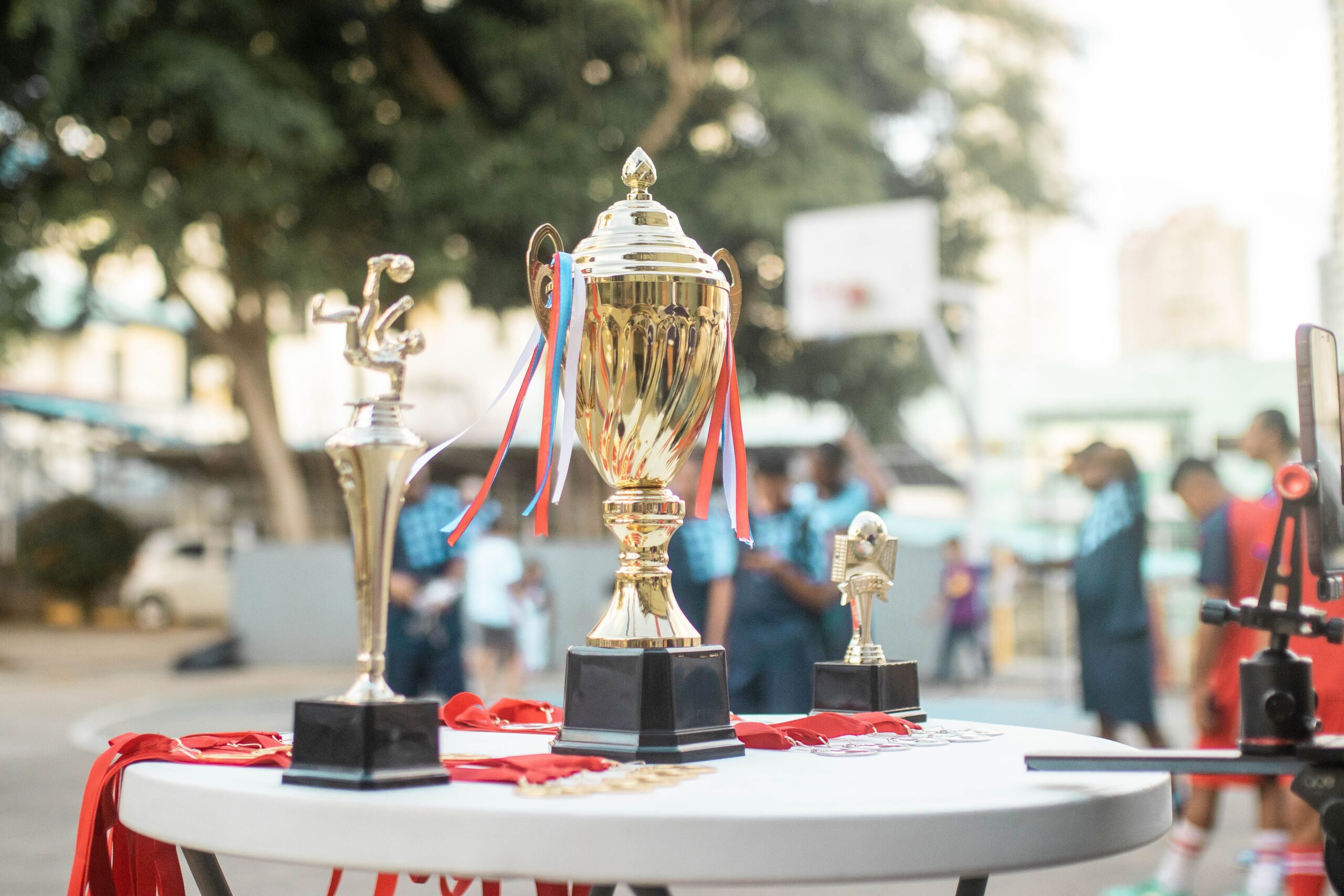
- Make the prizes light-hearted. Medals, a trophy and bragging rights are plenty. Big prizes can make things too serious.
For more on designing games that bring colleagues together rather than splitting them apart, our guide to corporate games covers the principles behind fair, team-first competition.
What a Sports Experience Day Looks Like
Every event is different, but a typical half-day might run like this:
- Arrival and team sorting. Teams get their colours, captains are named and the host explains the scoring.
- Warm-up. A short, upbeat warm-up gets everyone moving and laughing.
- Rotation through events. Teams move between stations, competing in each one for points.
- Break. Water, shade and a snack keep energy up.
- Finals. The top teams go head to head in a final event, with everyone else cheering from the sidelines.
- Prize-giving. Medals, a winning team and a group photo.
Most hosted formats run for around two to three hours of activity, which is long enough to build real momentum without wearing people out. Pair it with lunch or drinks afterwards and you have a full afternoon.
If you want more ideas for outdoor formats to mix in, our guide to outdoor team building games covers options for both competitive and creative groups.
Planning the Practical Side
A few practical points make the day run smoothly:
Space. Most sports experience days need a large, flat grassy area, plus room for spectators and shade. Indoor versions are possible for some events, but space limits what you can run.
Weather. Have a backup plan for rain, and plan for heat on summer days with shade, water and sun cream.
Kit. A hosted event brings the equipment, but people need to bring suitable footwear and clothing.
Timing. Avoid scheduling the most physical events straight after a big lunch.
Zing Events runs hosted sports-themed activities across the UK, with a host, crew, equipment and medals included, so you can focus on cheering your team on.
Frequently Asked Questions (FAQs)
1. What Is a Sports Experience Day for Teams?
It is a hosted team event built around sporting challenges, such as races, target games and multi-sport competitions. Teams compete for points and prizes, with the focus on fun and teamwork rather than athletic ability.
2. Are Sports Experience Days Suitable for Non-Sporty People?
Yes, if they are planned well. Mix physical, skill-based and mental challenges, balance the teams, and offer non-running roles like captain or scorekeeper. Aim-based games like archery often suit people who do not think of themselves as sporty.
3. How Many People Do You Need?
You can run one with a single small team, but it works best with at least three or four teams competing. Larger formats can handle groups in the hundreds by running events in parallel.
4. How Long Does a Sports Experience Day Last?
Most hosted formats run for two to three hours of activity. Add time for arrival, breaks and prizes, and pair it with a meal or drinks if you want a full afternoon or day.
5. What Should People Wear?
Trainers and comfortable clothes they can move in. Team colours or T-shirts help with atmosphere and make it easier to follow the scores. Tell people in advance and remind them the day before.
Pick the right style of competition, keep the teams balanced and score it with a light touch, and sports experience days become a reliable way to bring together teams who would rather compete than talk.